
Elevate Your Business
Commercial
Remodeling

-
KITCHENS
-
BATHROOMS
-
FLOORING
-
INTERIORS
The Layout
Kitchen / Breakroom Renovation
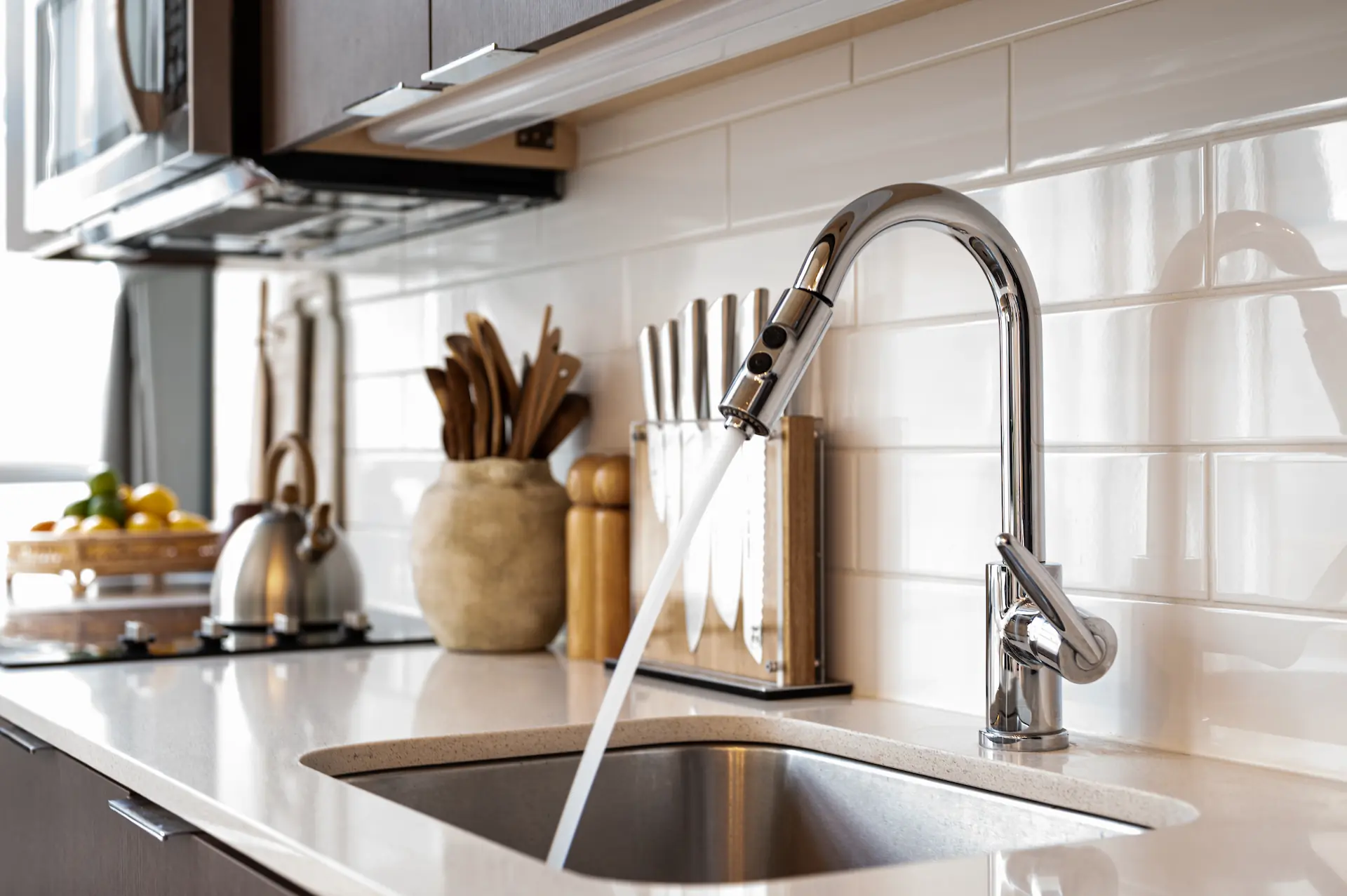
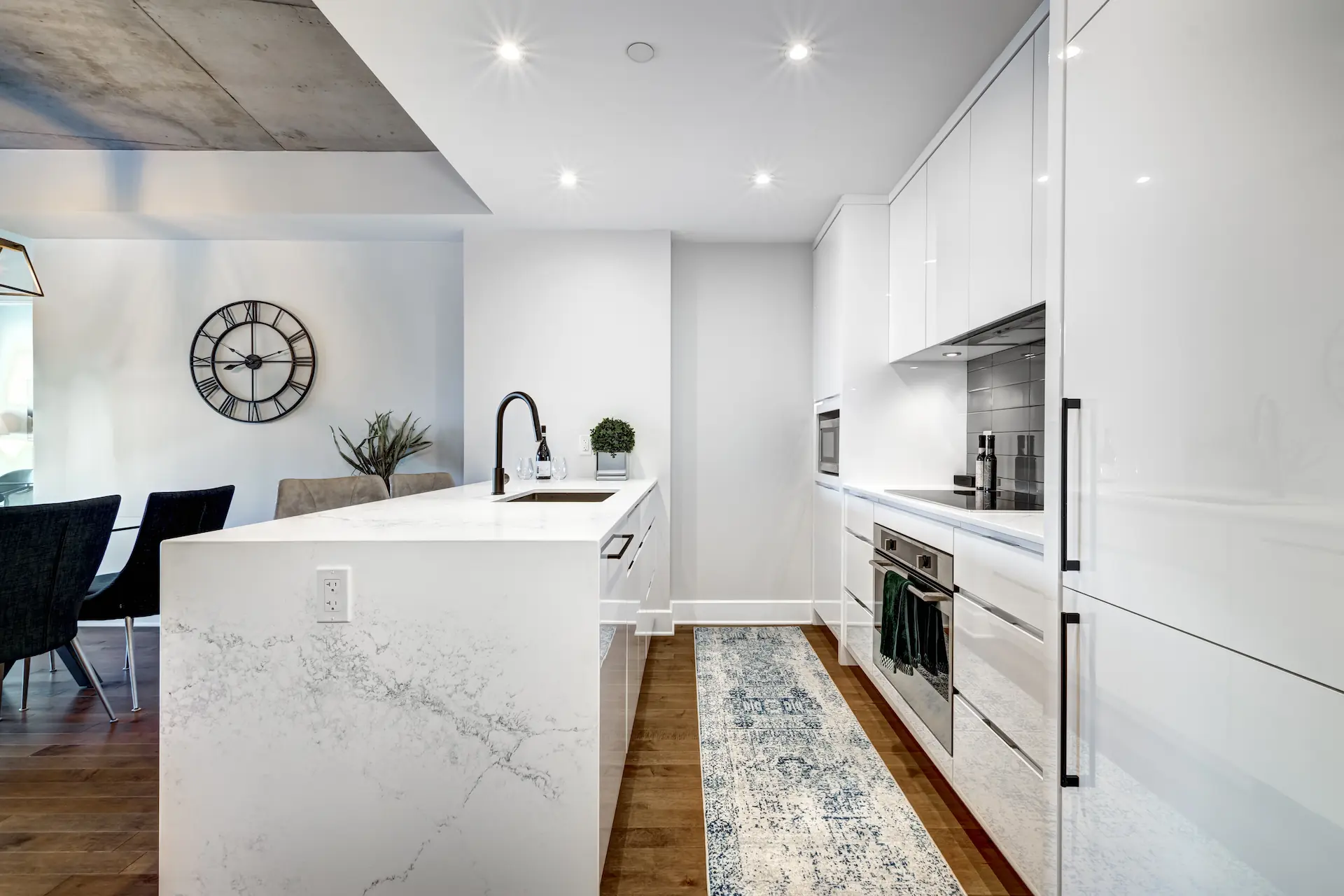
In-Unit Kitchen
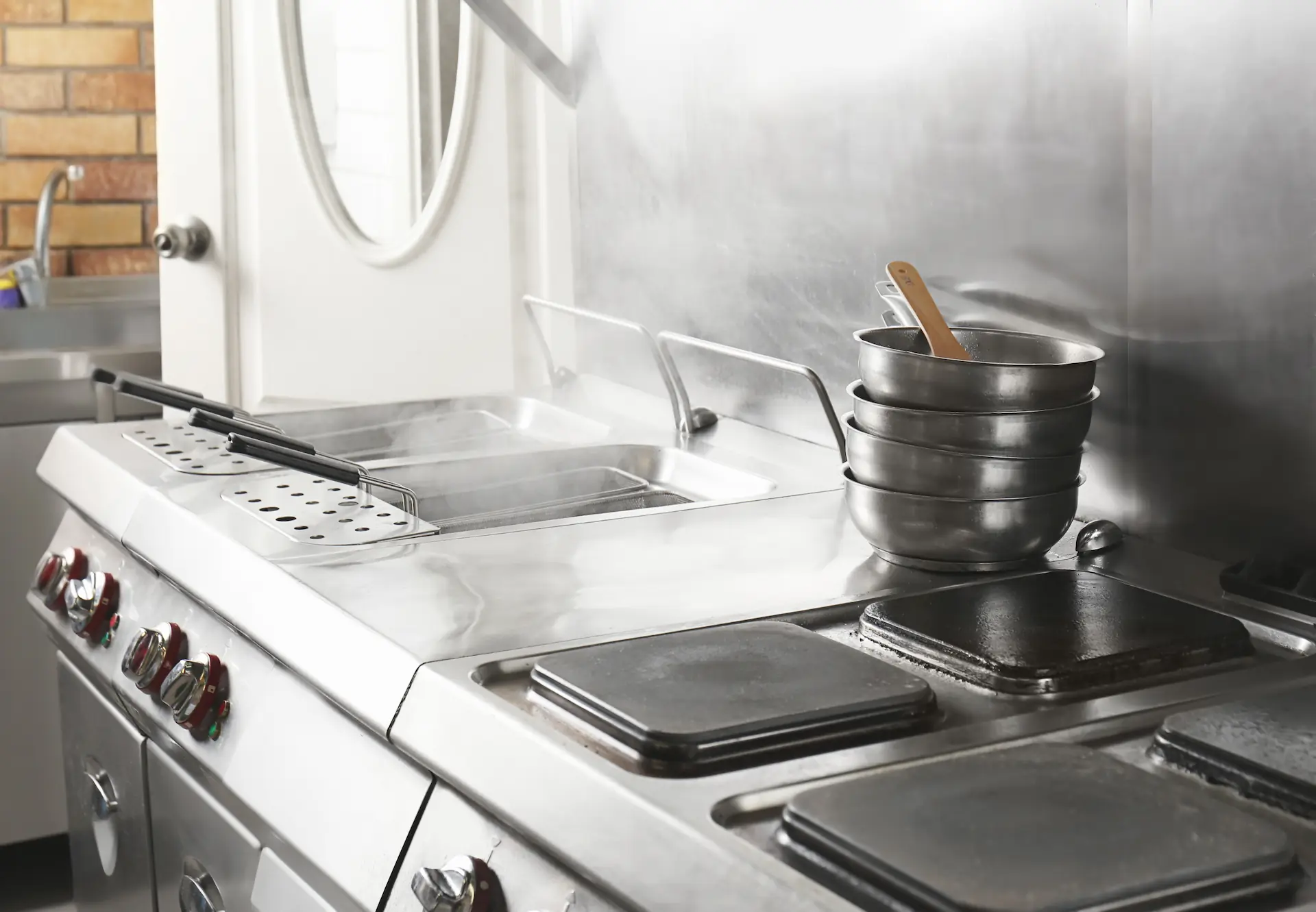
Restaurant & Food Prep
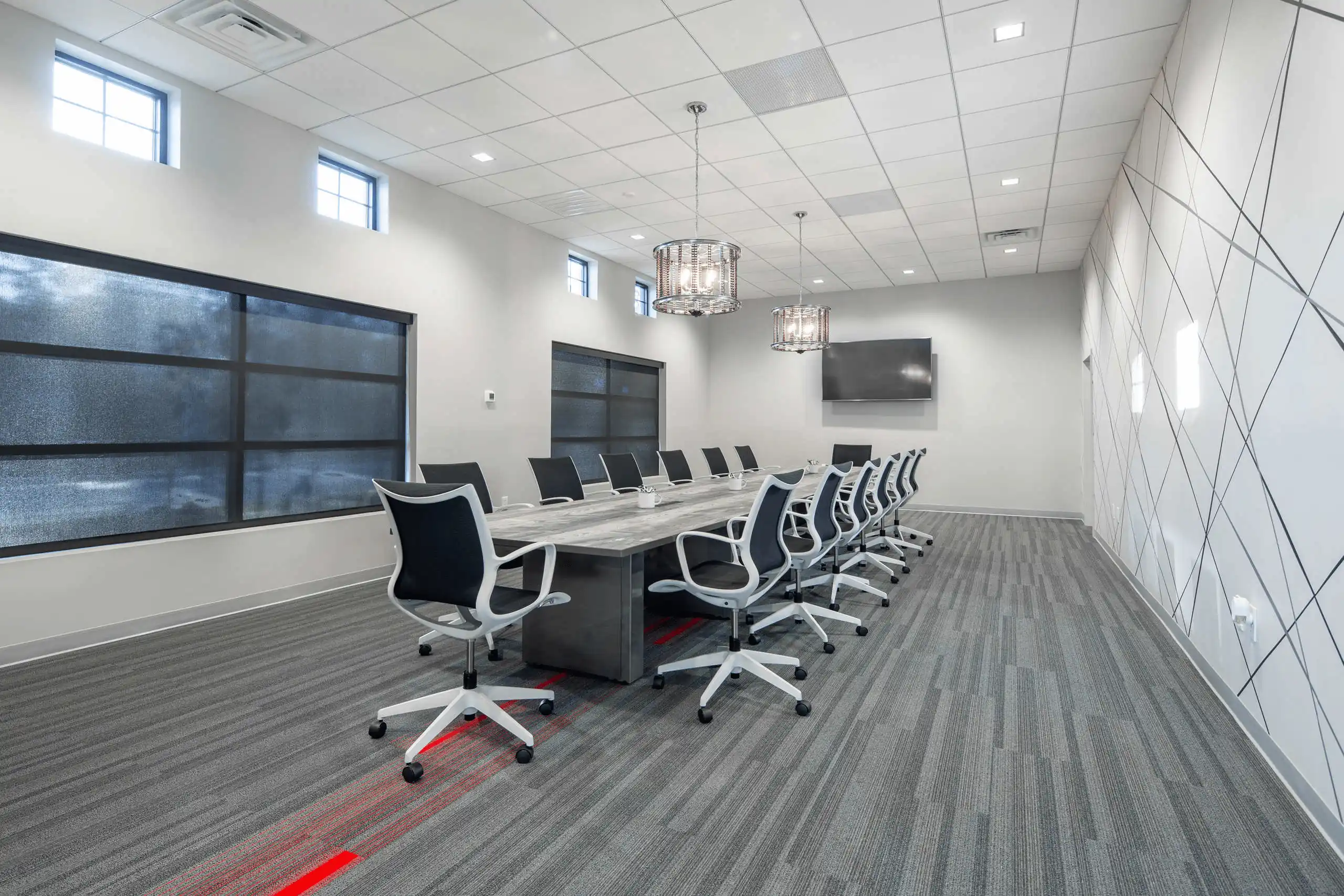
Office Breakrooms
Kitchen and breakroom renovations built for high usage, fast timelines, and commercial standards. From multi-unit properties to food service spaces to corporate offices.
Kitchen renovations for apartment complexes, rental properties, and hotel suites. Scalable, repeatable, and built to hold up through tenant turnover cycles.
Renovations for restaurants, cafés, and food prep areas. Built around workflow efficiency, code compliance, and minimal downtime.
Breakroom renovations designed to minimize disruption to your operations. Clean, functional, and low-maintenance.
Kitchen Scope:
Scope:
Scope:
Scope:
- Space planning, workflow optimization & code alignment
- Cabinetry, countertops & high-durability finish detailing
- Backsplashes, durable surfaces & high-traffic flooring
- Plumbing, electrical & equipment coordination
- Phased demolition, occupant protection, disposal & turnover-ready close-out
- Multi-unit demolition, coordinated scheduling & tenant disruption management
- Cabinet and countertop replacements with repeatable spec consistency
- Durable backsplash, flooring & surfaces built for turnover cycles
- Sink, faucet, lighting & appliance install coordination
- Unit-ready punch list, final cleaning & vacancy-ready close-out
- Controlled demolition, containment & active-business protection
- Layout, workflow reconfiguration & efficiency planning
- Durable countertops, wall surfaces & code-compliant finishes
- Plumbing, electrical, hood ventilation & equipment coordination
- Inspection-ready detailing, deep clean & operational handoff
- After-hours demolition, noise management & workplace protection
- Cabinetry, countertops & space-efficient layout improvements
- Low-maintenance backsplash, flooring & wipe-clean surface finishes
- Sink, plumbing, lighting & small appliance coordination
- Move-in-ready cleanup, punch list & minimal operational downtime

Cabinetry
Commercial kitchen cabinets need to survive tenant turnovers, daily abuse, and years of heavy use without falling apart. We install cabinetry with durable construction, quality hardware, and finishes that hold up—whether it's a rental unit kitchen or an office breakroom.
What We Include
- Durable cabinet box construction rated for heavy use
- Soft-close hardware that holds up over time
- Adjustable shelving for flexible storage configurations
- Consistent specs across multi-unit projects
- Coordination with countertop and appliance installation
Options
- Thermofoil vs. wood vs. laminate door faces
- Standard vs. soft-close hinges and slides
- Full overlay vs. partial overlay door styles
- Matching hardware packages vs. owner-supplied
- Stock cabinetry vs. semi-custom sizing
Quality Checklist
- Doors and drawers operate smoothly under load
- Cabinet boxes are square, level, and securely fastened
- Hardware is consistent and aligned across all units
- Finishes are durable and easy to clean
Countertops
Commercial countertops take more abuse than residential surfaces ever will. We install surfaces that resist scratches, stains, and heat—materials that look good on move-in day and still look good after years of tenant use or daily food prep.
What We Include
- Precise templating for consistent fit across units
- Professional fabrication and installation
- Undermount or drop-in sink cutouts with proper support
- Seam placement planned for durability and appearance
- Edge profiles selected for safety and cleanability
Options
- Quartz vs. solid surface vs. stainless steel
- Residential-grade vs. commercial-grade surface durability
- Standard edges vs. eased vs. bullnose profiles
- Matching specs across units vs. unit-specific selections
- Undermount vs. drop-in sink installation
Quality Checklist
- Seams are tight and positioned away from high-wear areas
- Surfaces are level and properly supported
- Sink and appliance cutouts fit precisely
- Material selection matches expected use intensity
Backsplash & Wall Finishes
Kitchen walls take constant splashes, grease, and cleaning. We install backsplash and wall finishes that protect surfaces, wipe clean easily, and hold up to the daily abuse commercial kitchens demand.
What We Include
- Tile or panel installation with proper wall prep
- Sealed grout lines for moisture and stain resistance
- Clean cuts around outlets, switches, and fixtures
- Integration with countertop edges and cabinet lines
- Finishes selected for cleanability and durability
Options
- Ceramic tile vs. porcelain vs. FRP panels
- Standard 4" vs. full-height backsplash coverage
- Epoxy grout vs. standard grout for heavy cleaning
- Neutral finishes vs. accent treatments
- Food-service wall protection vs. decorative backsplash finishes
Quality Checklist
- All grout lines are sealed and stain-resistant
- Cuts around outlets and fixtures are clean and tight
- Surface can handle commercial cleaning products
- Installation extends to appropriate height for use case
Islands & Prep Stations
Whether it's a kitchen island in an apartment unit or a prep station in a restaurant, central work surfaces need proper support, smart storage, and layout that improves workflow—not just looks.
What We Include
- Structural support designed for intended use and load
- Electrical and plumbing coordination when required
- Storage or shelving configured for efficiency
- Durable surfaces that match the space's use intensity
- Layout planning for traffic flow and clearances
Options
- Fixed islands vs. mobile prep stations
- Seating overhang vs. full work surface
- Integrated sinks or appliances vs. storage-only
- Matching cabinetry vs. stainless steel construction
- Open shelving vs. enclosed storage below
Quality Checklist
- Island/station is sized appropriately for traffic flow
- Structure supports intended use without movement
- Utilities are positioned for function, not afterthought
- Surface and storage match expected daily use
Commercial Sinks
Commercial sinks need to handle heavy use, meet code requirements, and integrate cleanly with surrounding surfaces. From single-bowl apartment sinks to multi-compartment food service sinks, we size and install for the job.
What We Include
- Sink sizing based on intended use and code requirements
- Proper drain and supply line coordination
- Mounting and support for sink weight and use
- Faucet placement and hardware installation
- Integration with countertop and backsplash
Options
- Single bowl vs. double bowl vs. multi-compartment
- Stainless steel vs. composite materials
- Undermount vs. drop-in installation
- Standard faucets vs. commercial spray units
- Garbage disposal integration vs. standard drain setups
Quality Checklist
- Sink size and configuration meets code for use case
- Plumbing connections are accessible for service
- Mounting is secure with no movement under use
- Drainage is properly sloped with no standing water
Apron-Front Sinks
Apron-front sinks bring character and style to upscale apartment units and boutique hospitality kitchens. Their deep basins and exposed fronts make a statement while handling everyday use—a premium touch that residents and guests notice.
What We Include
- Custom cabinet modifications for proper fit
- Structural support for increased sink weight
- Coordinated plumbing and faucet placement
- Professional installation and sealing
- Integration with countertop and cabinet design
Options
- Single bowl vs. double bowl configurations
- Fireclay vs. stainless steel vs. cast iron materials
- White vs. colored vs. natural finishes
- Standard depth vs. extra-deep basins
- Smooth vs. fluted front panel designs
Quality Checklist
- Cabinet structure properly supports sink weight
- Front panel aligns perfectly with cabinet faces
- Plumbing connections are accessible for service
- Sink basin drains completely without standing water
Equipment Coordination
Getting commercial equipment to fit—and function—requires planning before cabinets and counters go in. We coordinate dimensions, utilities, and clearances so equipment installs cleanly and operates properly from day one.
What We Include
- Equipment spec review and dimension planning
- Electrical and gas requirements coordinated with trades
- Cabinet and countertop cutouts sized to equipment
- Clearance and ventilation requirements verified
- Installation sequencing to avoid rework
Options
- Owner-supplied equipment vs. contractor-furnished
- Built-in vs. freestanding appliance configurations
- Standard residential appliances vs. commercial units
- Coordination with ventilation and fire suppression
- Phased delivery and install for occupied spaces
Quality Checklist
- All equipment fits as planned with no field modifications
- Utility connections are positioned correctly
- Clearances follow manufacturer specifications
- Equipment is properly installed and connected before handoff
Ventilation Systems
Kitchen ventilation needs to be planned around the equipment and the space it serves. We coordinate exhaust, duct routing, and required trade scopes so the ventilation system fits the build, supports the intended use, and aligns with project requirements.
What We Include
- Ventilation scope reviewed based on equipment and layout
- Duct routing and penetration coordination with trades
- Exhaust and make-up air coordination where required
- Hood and suppression trade coordination when applicable
- Documentation support for permitting and inspection process
Options
- Type I hoods (grease) vs. Type II hoods (heat/steam)
- Rooftop exhaust vs. sidewall termination
- Hood systems for food service vs. standard residential-style hoods
- Variable speed fans vs. single-speed operation
- Separate ventilation trades vs. integrated system coordination
Quality Checklist
- Ventilation scope aligns with equipment and layout
- Duct routing is coordinated with structure and other trades
- Required hood and suppression scopes are identified early
- System is coordinated for permit and inspection readiness
Under-Cabinet Lighting
Good lighting makes kitchens safer and more efficient. We install task lighting positioned for prep areas and cooking surfaces—eliminating shadows where the work happens, in both in-unit kitchens and commercial breakrooms.
What We Include
- Under-cabinet lighting for countertop work areas
- Proper fixture placement for shadow-free task zones
- LED systems with long service life
- Hidden wiring and clean electrical connections
- Switching coordinated with overall lighting plan
Options
- LED strips vs. puck lights vs. linear fixtures
- Hardwired vs. plug-in installation
- Single-zone vs. multi-zone switching
- Warm vs. cool color temperature
- Dimming capability vs. on/off only
Quality Checklist
- Lighting covers all primary work surfaces
- No dark spots or harsh shadows in prep areas
- Wiring is concealed and accessible for service
- Fixtures are rated for kitchen environment
Storage & Organization
Efficient storage reduces wasted motion and keeps kitchens functional. From pull-out drawers in apartment kitchens to pantry systems in corporate breakrooms, we build storage that works for how the space actually gets used.
What We Include
- Pull-out drawers and slides rated for daily use
- Adjustable shelving for flexible configurations
- Organizational inserts sized for intended storage
- Hardware rated for expected load and frequency
- Integration with cabinet and countertop layout
Options
- Pull-out shelves vs. fixed shelf configurations
- Trash and recycling pull-out systems
- Corner cabinet solutions for access efficiency
- Open shelving vs. enclosed storage
- Standard vs. heavy-duty drawer slides
Quality Checklist
- All drawers and pull-outs operate smoothly under load
- Organizational systems match intended storage items
- Hardware is rated for expected weight and use frequency
- Storage layout reduces unnecessary movement
Workflow & Layout
Kitchen layout directly affects how efficiently a space works. We plan sink, cooking, and prep zones with proper clearances — whether it's a compact shared kitchen or a full commercial line.
What We Include
- Workflow zone planning for prep, cooking, and service areas
- Clearance verification for doors, drawers, and traffic
- ADA compliance when required
- Appliance and equipment positioning for efficiency
- Layout documentation for permit and inspection
Options
- Galley vs. L-shape vs. U-shape configurations
- Island-centric vs. wall-focused layouts
- Optimized for cooking vs. prep vs. service flow
- Single-user vs. multi-user workflow planning
- Standard vs. ADA-compliant clearances and heights
Quality Checklist
- All clearances meet code and manufacturer requirements
- Workflow minimizes unnecessary movement
- Layout supports intended use and occupancy
- ADA requirements are met where applicable
Beverage Stations
Dedicated beverage stations elevate corporate breakrooms, co-working spaces, and upscale office environments. From coffee bars with plumbing to refreshment areas with built-in refrigeration, these spaces show attention to employee and guest experience.
What We Include
- Custom cabinetry sized for beverage equipment
- Electrical planning for coffee makers and appliances
- Plumbing integration for coffee systems and sinks
- Countertop surfaces selected for spill resistance
- Coordinated finishes that match the overall design
Options
- Plumbed coffee systems vs. standard equipment
- Built-in beverage refrigerators and ice makers
- Wet bar sink vs. dry station
- Open shelving vs. enclosed storage
- Under-cabinet lighting for visual appeal
Quality Checklist
- Electrical capacity matches planned equipment
- Plumbing connections are properly installed and tested
- Countertops handle heat and moisture from equipment
- Layout supports traffic flow and restocking access
The Layout
Commercial Bathroom Renovation
Single-Occupant Restroom
Multi-Stall Restroom
Ensuite Bathroom
Locker Room & Showers
Restrooms take more abuse than any other space in a commercial property. We build them to handle it — proper waterproofing, code-compliant layouts, and durable finishes.
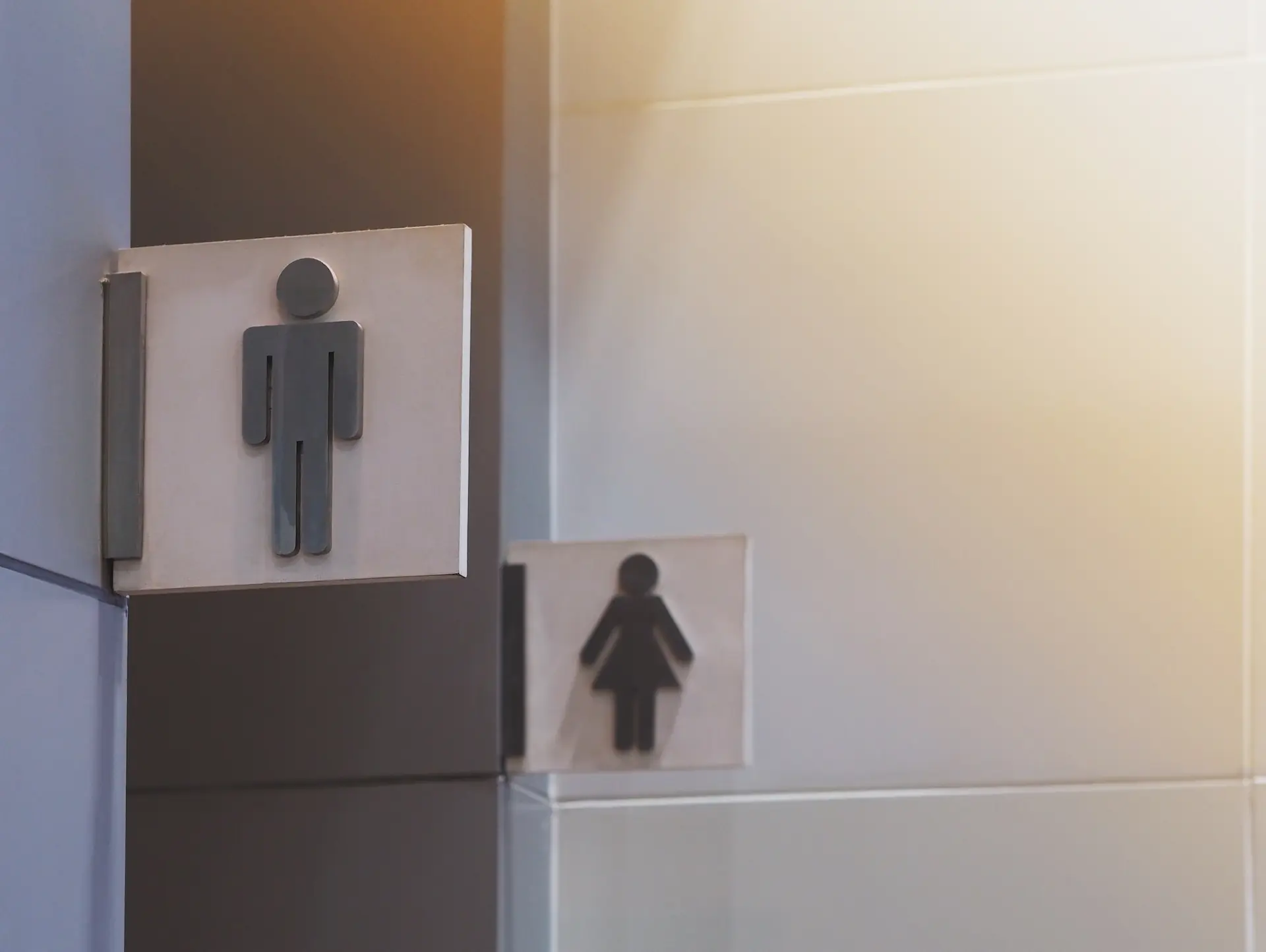
Clean, code-compliant restroom renovations for offices, retail spaces, and small commercial properties. Fast turnaround with minimal disruption.
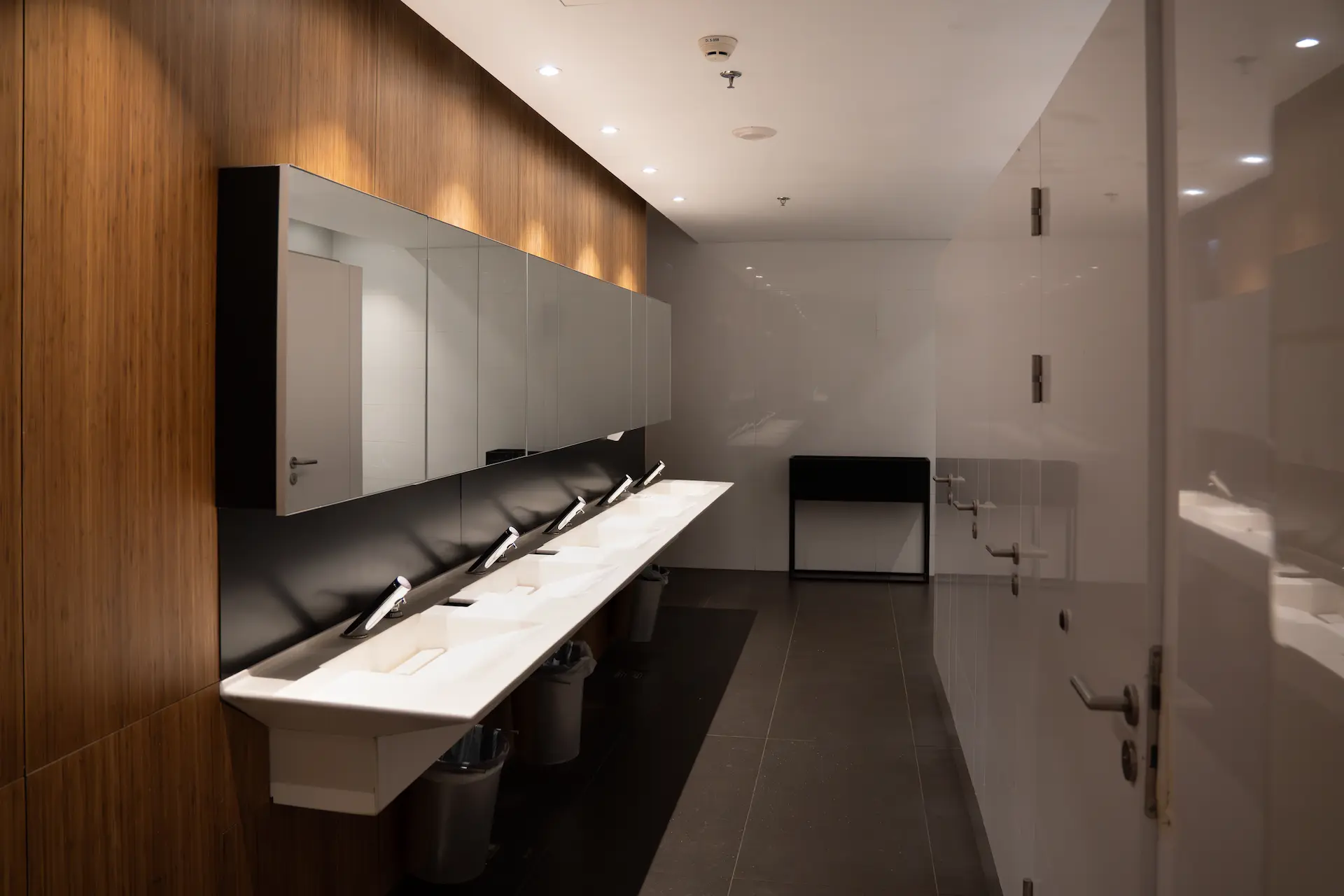
High-traffic restroom renovations built for durability, sanitation, and code compliance. Finishes that hold up under heavy daily use.
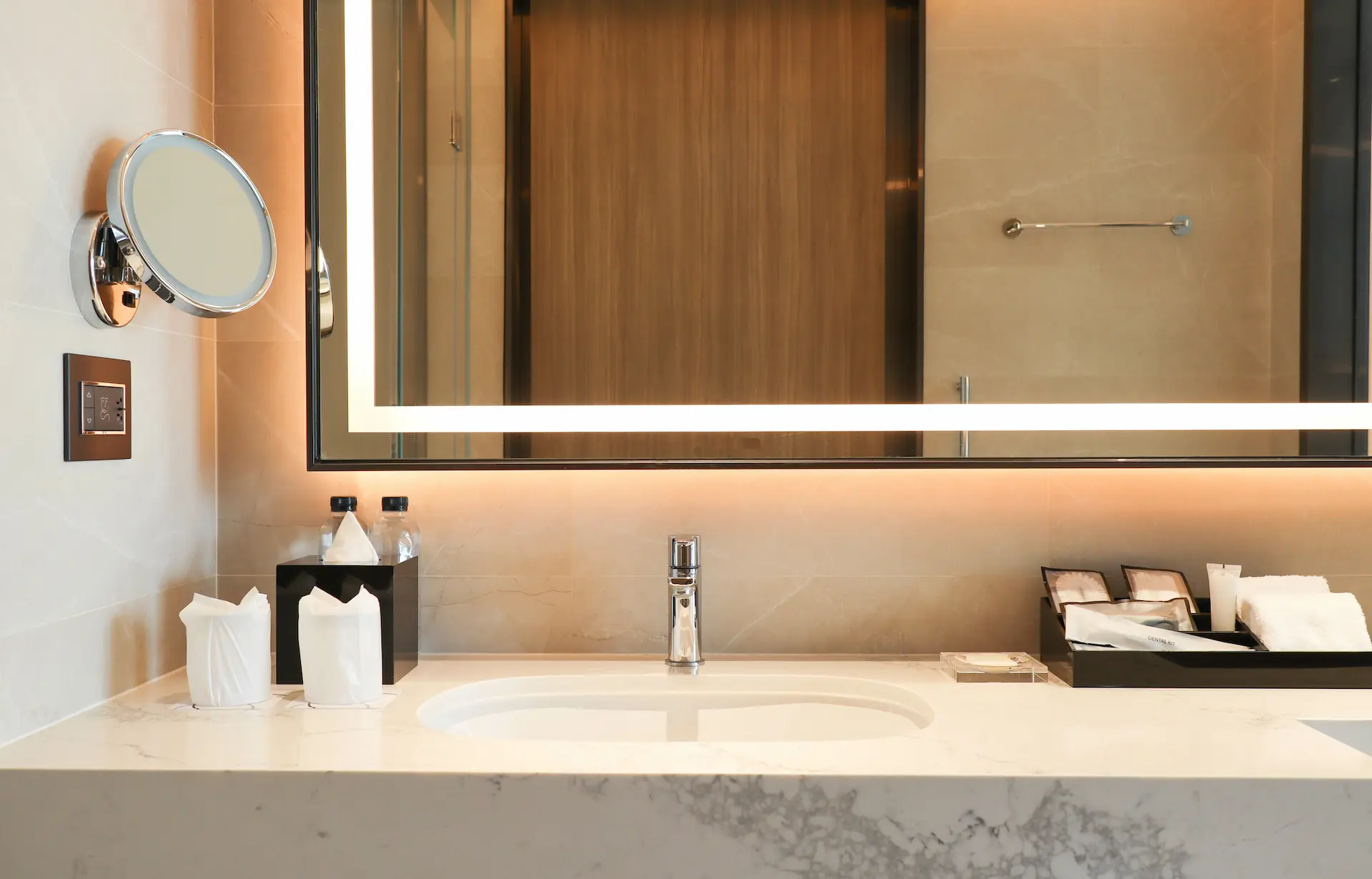
Ensuite renovations for hotels, apartment units, and patient rooms. Repeatable specs and scalable finishes built for fast turnovers across multiple units.
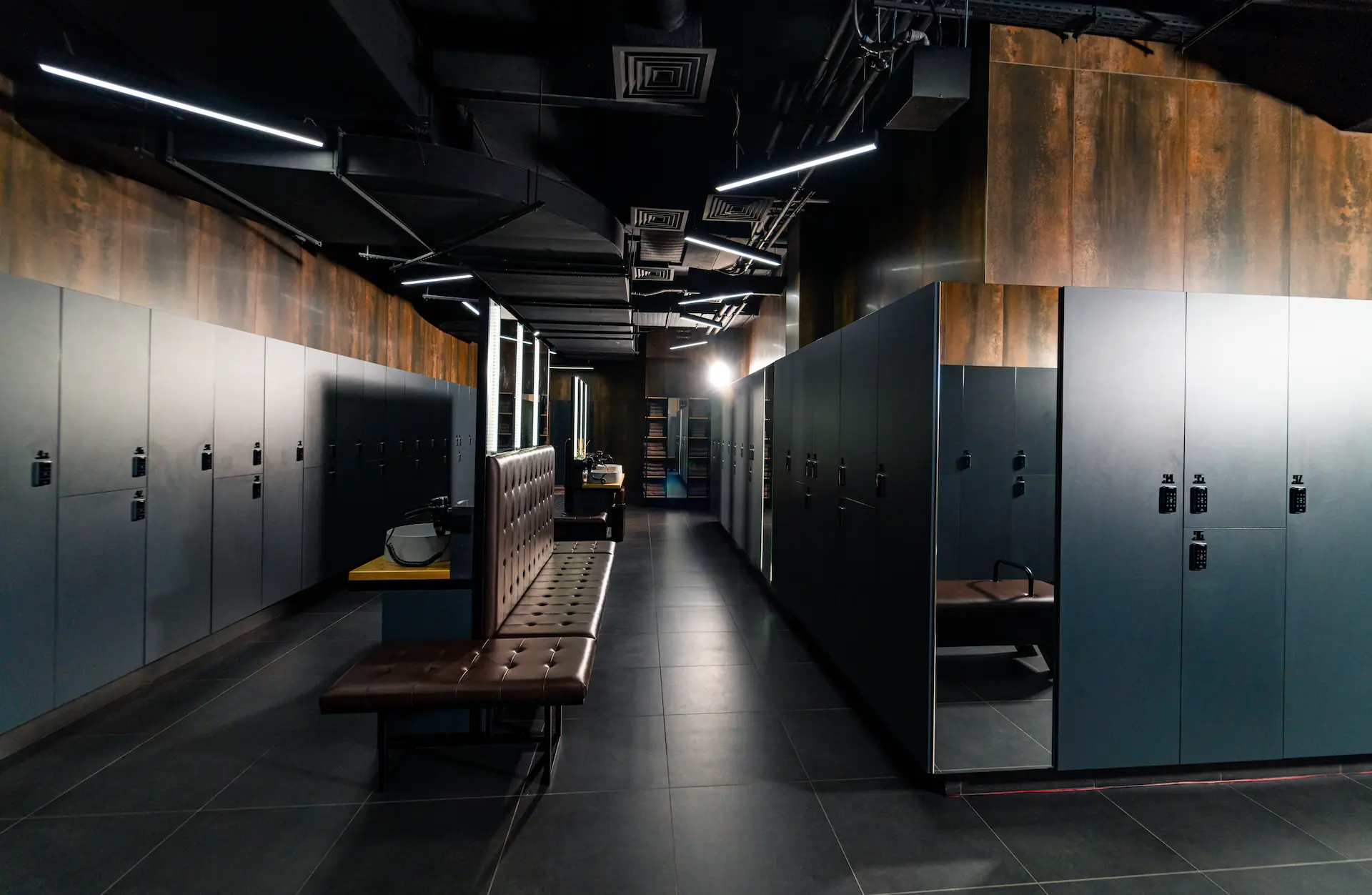
Locker room and shower facility renovations built for heavy use, moisture control, and hygiene standards. Proper waterproofing, drainage, and finishes that take daily abuse.
Bath Scope:
Scope:
Scope:
Scope:
Scope:
- Space planning, ADA compliance & code alignment
- Vanities, fixtures & high-durability surface installations
- Waterproofing, tile systems & high-traffic flooring
- Plumbing, electrical & ventilation coordination
- Phased demolition, occupant protection, disposal & turnover-ready close-out
- Vanity, sink & fixture replacements
- Durable wall finishes, accent tile & moisture-resistant surfaces
- ADA-compliant layout adjustments & accessibility upgrades
- Lighting, ventilation & plumbing coordination
- Demolition, disposal & surface repairs
- Phased demolition, containment & active-building protection
- Partition systems, layout reconfiguration & ADA compliance
- Tile, wall systems & high-traffic flooring
- Plumbing, ventilation & lighting coordination
- Inspection-ready detailing, deep clean & operational handoff
- Multi-unit demolition, coordinated scheduling & occupant disruption management
- Tub/shower systems, waterproofing & tile installation
- Vanity, fixture & countertop replacements with spec consistency
- Plumbing, electrical, ventilation & exhaust coordination
- Unit-ready punch list, final cleaning & vacancy-ready close-out
- Controlled demolition, containment & facility scheduling coordination
- Waterproofing, shower systems & drainage planning
- Slip-resistant flooring, partition systems & moisture-resistant surfaces
- Multi-head plumbing, ventilation & lighting coordination
- Code-compliant detailing, deep clean & facility-ready handoff

Waterproofing
Waterproofing is the system behind the tile that keeps moisture out of walls, floors, and building structure. In commercial restrooms—especially multi-stall facilities and locker rooms—proper waterproofing prevents costly failures that can shut down operations.
What We Include
- Wet-area waterproofing planned as a complete system
- Clean detailing at corners, seams, transitions, and penetrations
- Proper substrate prep before waterproofing application
- Protection at vulnerable areas including curbs, drains, and fixture penetrations
- Verification checkpoints before tile installation begins
Options
- Liquid-applied membrane vs. sheet membrane systems
- Foam board system vs. cement board with membrane
- Targeted wet-area waterproofing vs. full wet-room waterproofing
- Shower-only waterproofing vs. gang shower and multi-user wet-area scope
- Standard waterproofing scope vs. upgraded protection at high-risk areas
Quality Checklist
- Waterproofing is treated as a system, not just tile and grout
- Corners, seams, and penetrations are detailed properly
- Prep and coverage are verified before tile installation
- System meets manufacturer specs for commercial application
Tile Systems
Commercial bathroom tile needs to handle heavy foot traffic, constant cleaning, and moisture without showing wear. We plan layouts for large footprints, prioritize slip resistance, and install with grout systems that resist staining and mold.
What We Include
- Layout planning for balanced appearance across large areas
- Slip-resistant tile selection for wet areas
- Proper spacing and alignment throughout
- Durable, stain-resistant grout systems
- Integration with drains, fixtures, and transitions
Options
- Porcelain vs. ceramic vs. quarry tile
- Large format vs. mosaic for wet areas
- Epoxy grout vs. cementitious grout
- Slip-resistance ratings matched to use
- Accent layouts for hospitality and upscale multi-unit bathrooms
Quality Checklist
- Layout is balanced and consistent across the space
- Grout lines are straight and properly sealed
- Slip resistance meets code for intended use
- Cuts around drains and fixtures are clean
Vanity & Countertops
Commercial vanities take abuse residential surfaces never see—constant use, heavy cleaning, and the occasional impact. We install surfaces and configurations built for the job, whether it's a single-occupant restroom or a high-traffic multi-sink installation.
What We Include
- Vanity systems sized for space and traffic volume
- Countertop materials selected for durability and cleanability
- Proper mounting—wall-hung for floor cleaning access
- Integration with plumbing and fixture installation
- ADA-compliant heights and clearances when required
Options
- Solid surface vs. quartz vs. laminate counters
- Integrated sinks vs. undermount vs. vessel
- Trough sinks for multi-user efficiency
- Wall-hung vs. floor-mounted vanity systems
- Single-unit vs. multi-sink configurations
Quality Checklist
- Mounting is secure and rated for expected use
- Surfaces resist staining and damage from cleaning chemicals
- Plumbing is accessible for maintenance
- ADA clearances are met where required
Commercial Fixtures
Commercial-grade fixtures are built for constant use and reduced maintenance. From sensor faucets that save water to flush valves that handle hundreds of cycles per day, the right fixtures reduce long-term costs and complaints.
What We Include
- Fixture selection based on use intensity and maintenance requirements
- Proper rough-in coordination with plumbing
- Sensor vs. manual operation planning
- Water efficiency considerations and code compliance
- Consistent specs across multi-fixture and multi-unit projects
Options
- Sensor faucets vs. metered vs. manual operation
- Flush valves vs. tank toilets
- Wall-hung vs. floor-mounted fixtures
- Standard-flow vs. low-flow fixture options
- Manual vs. touchless soap and towel dispensers
Quality Checklist
- All fixtures are commercial-rated for expected use
- Sensor operation is reliable and properly calibrated
- Water supply and drainage meet flow requirements
- Installation allows for easy maintenance access
Partition Systems
Restroom partitions need to handle heavy use, resist moisture and vandalism, and meet ADA requirements. We install partition systems sized and configured for your space—with materials selected for the level of abuse they'll take.
What We Include
- Layout planning for code-compliant clearances
- Material selection based on use intensity and environment
- Proper anchoring to walls and floors
- Hardware rated for commercial use
- ADA-compliant stall sizing and configuration
Options
- Powder-coated steel vs. solid plastic vs. phenolic
- Floor-mounted vs. ceiling-hung vs. floor-to-ceiling
- Standard vs. ADA-compliant stall dimensions
- Urinal screens and privacy configurations
- Color and finish options to match design
Quality Checklist
- Partitions are level, plumb, and securely anchored
- Doors operate smoothly and latch properly
- ADA stalls meet dimensional requirements
- Hardware is aligned and functions correctly
Shower & Tub Systems
Commercial showers and tubs—whether hotel ensuites, apartment units, or locker room facilities—need waterproofing, drainage, and finishes that hold up to daily use. We build wet areas that perform reliably and look good through years of turnover.
What We Include
- Waterproofing systems designed for commercial use intensity
- Proper slope and drainage planning
- Valve and fixture installation and testing
- Tile or surround installation with sealed edges
- Glass, curtain, or enclosure coordination
Options
- Tile showers vs. solid surface vs. fiberglass surrounds
- Tub/shower combos vs. standalone showers
- Individual stalls vs. gang showers for locker rooms
- Glass enclosures vs. curtains for turnover efficiency
- Linear drains vs. center drains
Quality Checklist
- Waterproofing is verified before finish installation
- Slope drains completely with no standing water
- Valves operate properly with appropriate pressure
- Enclosure or curtain system functions smoothly
Freestanding Tubs
Freestanding tubs create memorable guest experiences in boutique hotels and upscale hospitality properties. With proper structural support and thoughtful placement, they deliver dramatic visual impact and the kind of luxury amenity that gets mentioned in reviews.
What We Include
- Floor structural analysis and reinforcement if needed
- Strategic plumbing placement for clean sight lines
- Proper drainage and overflow integration
- Floor preparation and waterproofing around tub area
- Coordination with flooring and room layout
Options
- Modern vs. traditional vs. clawfoot styles
- Standard soaking tub vs. deep soaking tub
- Acrylic vs. cast iron vs. stone materials
- Center drain vs. end drain configurations
- Floor-mounted vs. wall-mounted faucet placement
Quality Checklist
- Floor structure supports tub weight when filled
- Plumbing access is maintained for future service
- Positioning allows comfortable room circulation
- All connections are leak-tested before finishing
Heated Floors
Heated bathroom floors turn a standard hotel room or upscale apartment into something guests and residents remember. Radiant floor heating adds comfort and perceived luxury—a feature that differentiates properties in competitive markets.
What We Include
- Electric radiant heating mats sized for the space
- Digital programmable thermostats with floor sensors
- GFCI-protected electrical connections for safety
- Integration with tile installation timeline
- Testing and verification before tile installation
Options
- Electric radiant floor heating systems
- Smart programmable controls
- WiFi-enabled thermostat upgrades
- Heating mat layout sized to room conditions
- Floor warming coverage planned around fixtures and clear floor area
Quality Checklist
- Heating elements are properly spaced and secured
- All connections are tested before covering
- Floor sensor is correctly positioned and protected
- System integrates cleanly with existing electrical
Frameless Glass
Frameless glass shower enclosures open up bathrooms visually and create a clean, modern aesthetic. For hotel ensuites and upscale apartments, they're the difference between a standard bathroom and one that feels premium.
What We Include
- Custom measurements for perfect fit
- Clean hardware layout and anchoring for long-term performance
- Quality hardware in brushed nickel, chrome, or matte black
- Tempered safety glass with smooth, polished edges
- Professional installation with proper sealing
Options
- Frameless vs. semi-frameless design
- Clear vs. frosted glass for privacy
- Fixed panels vs. hinged doors vs. sliding doors
- Standard vs. low-iron glass for maximum clarity
- Standard glass protection vs. upgrade coating for easier maintenance
Quality Checklist
- Glass is measured after tile installation for precision
- Hardware is properly anchored to structure
- All seals prevent water leakage
- Operation is smooth and doors align properly
Niches
Built-in niches provide clean, organized shower storage that looks intentional and elevates the guest or resident experience. Properly planned and waterproofed, they become a seamless part of the tile design—a detail that signals quality.
What We Include
- Strategic placement based on shower layout
- Proper structural framing between wall studs
- Complete waterproofing of niche interior
- Tile-ready finish with appropriate slope for drainage
- Coordination with tile layout for clean lines
Options
- Single large vs. multiple smaller niches
- Horizontal vs. vertical orientation
- Standard depth vs. deeper storage
- Built-in vs. pre-formed niche systems
- Accent tile vs. matching field tile finish
Quality Checklist
- Niche placement works with plumbing and structure
- Interior is fully waterproofed and sloped
- Tile cuts align cleanly with niche edges
- Size and height work for intended storage
Benches & Seating
Benches in locker rooms and accessible showers need to handle wet environments, heavy use, and ADA requirements. We install seating built for the job—properly supported, correctly sized, and made from materials that won't degrade.
What We Include
- Bench sizing based on use and ADA requirements
- Proper structural support and anchoring
- Materials rated for wet environments
- Integration with shower waterproofing when applicable
- Clearance verification for accessibility compliance
Options
- Phenolic vs. solid plastic vs. tiled bench surfaces
- Wall-mounted vs. freestanding vs. pedestal benches
- Fold-down seats for accessible showers
- ADA-compliant dimensions vs. standard sizing
- Locker room benches vs. shower benches
Quality Checklist
- Bench is rated for expected load capacity
- Mounting is secure with no movement
- Materials are appropriate for moisture exposure
- ADA dimensions are met where required
Floor Drains & Slope
Standing water creates slip hazards, sanitation risks, and long-term damage. We plan drain placement and floor slope for showers, locker rooms, public restrooms, and any wet area—ensuring water moves efficiently to the drain, whether it’s a high-end shower or a high-traffic commercial space.
What We Include
- Drain placement based on floor size and use
- Proper slope to drains across entire floor area
- Drain selection based on flow requirements
- Trap primer coordination when required by code
- Integration with waterproofing system
Options
- Point drains vs. trench drains vs. linear drains
- Stainless steel vs. cast iron drain bodies
- Standard grates vs. ADA-compliant heel-proof grates
- Trap primer systems for floor drains
- Cleanout access for maintenance
Quality Checklist
- No standing water anywhere on floor after drainage
- Slope is consistent with no low spots
- Drains are properly integrated with waterproofing
- Grates are flush and secure
Ventilation
Proper ventilation removes moisture before it damages finishes or creates air quality problems. We coordinate exhaust systems around fixture count and room volume so the ventilation matches the space, supports code requirements, and helps finishes last longer.
What We Include
- Ventilation requirements reviewed based on fixture count and room size
- Exhaust fan selection coordinated with mechanical/HVAC trades
- Ductwork routing and penetration coordination
- Controls matched to occupancy and use patterns
- Support for permitting and inspection documentation
Options
- Ceiling-mounted vs. inline exhaust fans
- Single-speed vs. variable speed operation
- Timer controls vs. occupancy sensors vs. humidity sensors
- Dedicated exhaust vs. tied to building HVAC
- Quiet-rated fans for noise-sensitive locations
Quality Checklist
- Ventilation capacity matches design and code requirements
- Ductwork is properly sized, routed, and sealed
- Exhaust terminates to exterior, not ceiling or plenum space
- Controls are tested and function as intended
The Layout
Flooring Installation
Hardwood Flooring
Vinyl / Laminate Flooring
Tile Flooring
Carpet Installation
Commercial flooring has to survive foot traffic, rolling loads, and daily wear without looking worn out in a year. Proper subfloor prep, clean transitions, and finishes that hold up.
Hardwood makes a statement — law offices, boutique retail, executive suites. Proper acclimation, clean lines, and durable finishes that hold up.
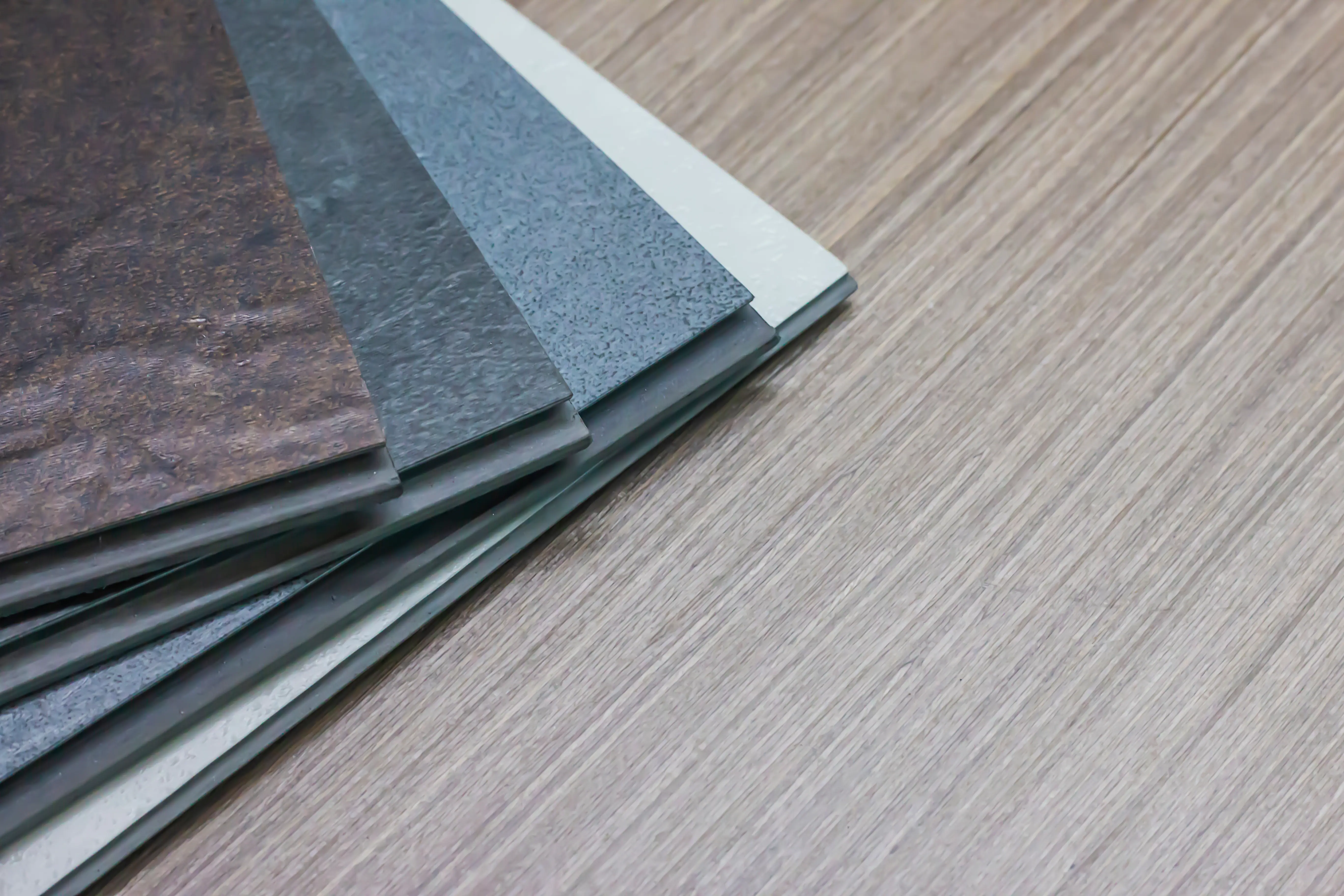
LVP and LVT are the workhorses of commercial flooring — medical offices, retail spaces, apartment turns, and office buildouts. Fast installs that minimize downtime.
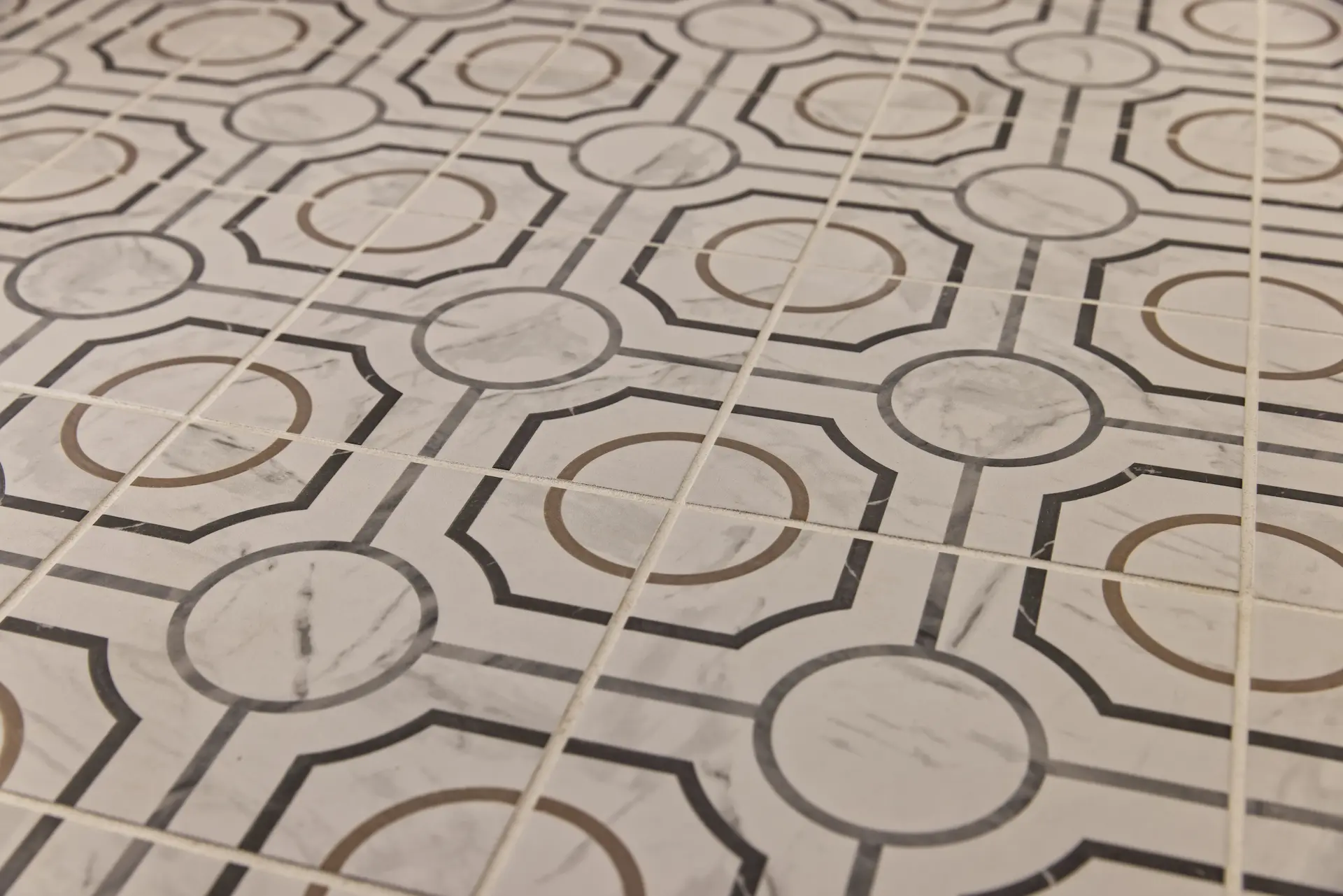
Tile is the standard for lobbies, restrooms, restaurant floors, and any space where moisture and heavy cleaning are part of the routine. Planned cuts and layouts across large footprints.
Carpet and carpet tile for offices, conference rooms, and tenant spaces. Layout planning, seam placement, and modular patterns — installed with minimal disruption.
Flooring Scope:
Hardwood Scope:
Vinyl / Laminate Scope:
Tile Scope:
Carpet Scope:
- Removal, disposal & occupied-space protection
- Subfloor prep, leveling & moisture mitigation
- Flooring installation & clean edge detailing
- Transitions, thresholds & ADA-compliant coordination
- Trim, baseboards & finishing touches
- Solid or engineered hardwood installs
- Layout planning for large-format and open spaces
- Smooth transitions at doorways, corridors & zone changes
- Stair treads/risers coordination when needed
- Trim and finish detailing for a polished result
- LVP/LVT or laminate installation
- Subfloor prep, leveling & moisture testing
- Underlayment coordination for sound and performance
- Clean transitions between zones, corridors & common areas
- Baseboards/shoe molding finishing touches
- Floor tile layout, cuts & installation
- Proper prep, leveling & waterproofing
- Grout, edge finishing & sealing
- Heated-floor coordination when included
- Transitions and trim finish work
- Broadloom carpet or modular carpet tile installation
- Seam placement and pattern alignment for a clean appearance
- Stair installation and finishing details
- Removal and disposal of existing flooring
- Thresholds and transitions at doorways and corridors



Subfloor Preparation
Commercial flooring covers large areas where subfloor problems get magnified. Dips, humps, and loose sections that might be minor in a single room become major issues across thousands of square feet. We assess, repair, and level before flooring goes down.
What We Include
- Comprehensive assessment of existing subfloor conditions
- Leveling compounds to correct uneven surfaces
- Structural repairs and reinforcement where needed
- Moisture testing and documentation
- Final verification that manufacturer tolerances are met
Options
- Self-leveling compounds vs. mechanical grinding
- Plywood overlay vs. direct subfloor preparation
- Spot repairs vs. full-floor leveling
- Standard setting compounds vs. fast-setting compounds for operational continuity
- Subfloor repairs vs. complete subfloor replacement for severe damage
Quality Checklist
- Subfloor is flat within manufacturer tolerances
- All loose or damaged sections are repaired
- Surface is clean, dry, and ready for installation
- Moisture levels are documented and within spec
Moisture Mitigation
Moisture from concrete slabs destroys flooring adhesives and causes warping, buckling, and mold. In commercial spaces with large slab areas, proper testing and mitigation isn't optional—it's the difference between a floor that lasts and a floor that fails.
What We Include
- Moisture testing per ASTM standards before installation
- Vapor barrier systems for slabs exceeding limits
- Proper seam sealing and edge treatment
- Documentation for warranty compliance
- Product selection matched to moisture conditions
Options
- Calcium chloride testing vs. relative humidity testing
- Liquid-applied vapor barriers vs. high-performance epoxy systems
- Full vapor barrier membranes vs. permeable vapor retarders
- Slab-on-grade mitigation vs. elevated concrete mitigation
- Standard mitigation scope vs. integrated sound/moisture control systems
Quality Checklist
- Testing is documented and within manufacturer limits
- Mitigation system is properly applied with no gaps
- Seams and edges are sealed completely
- Flooring selection is appropriate for conditions
Anti-Fracture Membrane
Anti-fracture membrane helps protect tile from movement in the substrate below—whether that is concrete, wood, or a mixed assembly. For commercial installations across large floor areas, it adds a layer of protection that helps prevent costly cracks and callbacks.
What We Include
- Assessment of subfloor conditions to determine movement potential
- Professional-grade membrane installation over the full tile area
- Proper sealing at seams and edges
- Integration with waterproofing systems where needed
- Verification of proper adhesion before tile installation
Options
- Anti-fracture membrane vs. standard subfloor preparation
- Anti-fracture only vs. combined waterproof & anti-fracture systems
- Sheet membrane systems vs. liquid-applied membrane options
- Membrane selected for wood subfloors vs. concrete slab applications
- Standard crack isolation vs. enhanced protection for active movement
Quality Checklist
- Membrane covers the full tile area with no gaps or bubbles
- Seams are properly overlapped and sealed
- Substrate is prepped correctly for membrane adhesion
- System rating matches expected building movement
Wide Plank Installation
Wide plank flooring creates a premium appearance that makes lobbies, executive offices, and boutique retail spaces feel larger and more luxurious. With fewer seam lines and enhanced grain visibility, wide planks deliver dramatic visual impact that clients and customers notice.
What We Include
- Careful selection and grading for consistent appearance
- Proper acclimation to building conditions
- Strategic layout planning to minimize waste
- Precision cutting and fitting for clean lines
- Commercial-grade finishes for durability
Options
- 5", 6", 7", or 8"+ plank widths
- Solid hardwood vs. engineered wide planks
- Random width installation vs. uniform width
- Smooth vs. hand-scraped vs. wire-brushed textures
- Pre-finished vs. site-finished options
Quality Checklist
- Planks are properly acclimated before installation
- Seams are tight and consistent throughout
- Wood grain patterns flow naturally across the space
- End joints are staggered for strength and visual balance
Architectural Patterns
Herringbone, chevron, and other architectural patterns transform floors into design features. In hotel lobbies, law offices, and upscale retail, these timeless patterns create visual interest and sophisticated appeal that standard straight-lay installations can't match.
What We Include
- Complete layout design and planning before installation
- Precise cutting and fitting for perfect pattern alignment
- Careful material calculation to minimize waste
- Strategic starting points for balanced appearance
- Professional execution of complex pattern transitions
Options
- Herringbone vs. chevron vs. basketweave patterns
- Traditional vs. double herringbone layouts
- Square-to-room orientation vs. diagonal pattern layout
- Single pattern vs. mixed pattern combinations
- Integrated borders vs. borderless pattern transitions
Quality Checklist
- Pattern lines are straight and consistent throughout
- All joints align perfectly for clean geometric appearance
- Pattern is centered and balanced in the space
- Transitions between patterns are seamless and intentional
Sound Control
Multi-tenant buildings, hotels, and apartments often require specific STC and IIC ratings between floors. We install underlayment systems that meet code requirements and building specs—not just basic padding that checks a box.
What We Include
- Underlayment selection based on required ratings
- Proper seam sealing and edge treatment
- Integration with flooring installation sequence
- Documentation of products and ratings for compliance
- Coordination with flooring manufacturer requirements
Options
- Cork vs. rubber vs. foam underlayments
- Single-function acoustic layers vs. combined sound & moisture barriers
- Standard acoustic thickness vs. high-rating specialized underlayments
- Floating floor systems for maximum sound isolation
- Roll-on acoustic membranes vs. specialized acoustic mats
Quality Checklist
- Product ratings meet or exceed building requirements
- Seams are properly overlapped and sealed
- Coverage is complete with no gaps
- Documentation is available for inspection
Slip Resistance
Slip-and-fall liability is real in commercial spaces. We spec flooring with appropriate slip resistance ratings for the actual use—wet areas, entrances, kitchens, and anywhere code or common sense demands it.
What We Include
- Slip resistance requirements identified by zone
- Product selection with documented COF ratings
- Transition planning where slip ratings change
- Compliance with ADA and building code requirements
- Documentation for inspections and liability protection
Options
- Standard vs. high-traction surface textures
- Coefficient of friction ratings by application
- Wet-rated vs. dry-only flooring
- Slip-resistant treatments for existing floors
- Entry mat systems for transition zones
Quality Checklist
- Slip ratings meet code for each area's use
- Wet areas have appropriate traction
- Transitions between ratings are handled properly
- Documentation is available for compliance
Rolling Load & Traffic Ratings
Office chairs, pallet jacks, carts, and equipment put stresses on flooring that foot traffic alone doesn't. We spec flooring based on what actually moves across it—not just how many people walk on it.
What We Include
- Traffic analysis based on actual use
- Product selection with appropriate rolling load ratings
- Substrate prep to support expected loads
- Chair mat recommendations where appropriate
- Warranty review for commercial use compliance
Options
- Standard commercial vs. heavy-duty ratings
- Rigid core LVP for chair and cart traffic
- High-durability wood finishes for executive and low-cart traffic areas
- Static-dissipative flooring for data centers
- Heavy-duty flooring options for back-of-house and service areas
Quality Checklist
- Product ratings match or exceed expected use
- Installation method supports rolling loads
- Transitions can handle cart and equipment traffic
- Warranty covers intended commercial use
Transitions & ADA Compliance
Commercial flooring transitions can't be trip hazards—they create liability and fail ADA requirements. We plan transitions for accessibility compliance, durability under traffic, and clean appearance where materials change.
What We Include
- Transition planning at material changes and doorways
- Height changes within ADA-compliant limits
- Commercial-grade transition strips and thresholds
- Proper underlayment coordination for level surfaces
- Secure installation that won't loosen under traffic
Options
- Metal vs. rubber vs. vinyl transition strips
- Surface-mounted vs. recessed installations
- T-molding vs. reducer vs. threshold profiles
- Color-matched vs. contrasting finishes
- Heavy-duty ratings for high-traffic areas
Quality Checklist
- All transitions are flush or within ADA height limits
- No trip hazards at any material change
- Transitions are securely fastened and won't shift
- Appearance is intentional and professional
Stair Systems
Commercial stairs need to be safe, code-compliant, and durable—not just good-looking. We install stair flooring with proper nosing, slip resistance, and finishes that handle high traffic without showing wear.
What We Include
- Tread and riser installation with proper adhesion
- Code-compliant stair nosing with contrast striping
- Slip-resistant surfaces for safety
- Consistent appearance from floor to floor
- Integration with landings and transitions
Options
- Rubber treads vs. LVT vs. tile stair systems
- Prefabricated stair nosing vs. field-cut options
- Photoluminescent nosing for emergency egress
- Full tread coverage vs. nosing-only installations
- Color and pattern coordination with main floors
Quality Checklist
- Nosing overhangs are consistent and code-compliant
- All treads are securely adhered with no movement
- Slip resistance meets code requirements
- Visual contrast is present at nosing edges
Cove Base & Commercial Trim
Commercial spaces use rubber or vinyl cove base—not wood baseboards—because it handles mop water, floor machines, and cart impacts. We install wall base that looks clean and lasts through years of commercial cleaning.
What We Include
- Cove base selection matched to flooring and design
- Proper wall prep and adhesive application
- Clean cuts at corners, doorways, and transitions
- Consistent height and alignment throughout
- Seam placement planned for minimal visibility
Options
- Rubber vs. vinyl cove base materials
- 4" vs. 6" heights
- Coved (with toe) vs. straight profiles
- Color-matched vs. contrasting finishes
- Pre-formed corners vs. field-cut corners
Quality Checklist
- Base is adhered firmly with no gaps or bubbles
- Inside and outside corners are clean and tight
- Height is consistent throughout the space
- Seams are positioned to minimize visibility
Commercial Layout Planning
Layout decisions that work in a residential room look different across a 10,000 square foot office floor. We plan flooring layout for commercial scale—sightlines, pattern flow, seam placement, and how the floor reads from the entrance to the back wall.
What We Include
- Layout planning before installation begins
- Starting points selected for visual balance
- Seam placement minimized in high-visibility areas
- Pattern direction consistent across zones
- Integration with architectural features and furniture plans
Options
- Monolithic appearance vs. defined zones
- Pattern direction running with or against sightlines
- Border treatments at transitions and perimeters
- Mixed materials for wayfinding or branding
- Coordination with lighting and ceiling grid
Quality Checklist
- Layout is balanced from primary entry points
- Seams are positioned in low-visibility locations
- Pattern flow is consistent and intentional
- Cuts at walls and obstacles are clean and balanced
The Layout
Commercial Interiors
Office Renovation
Rental Unit Renovation
Storefront Renovation
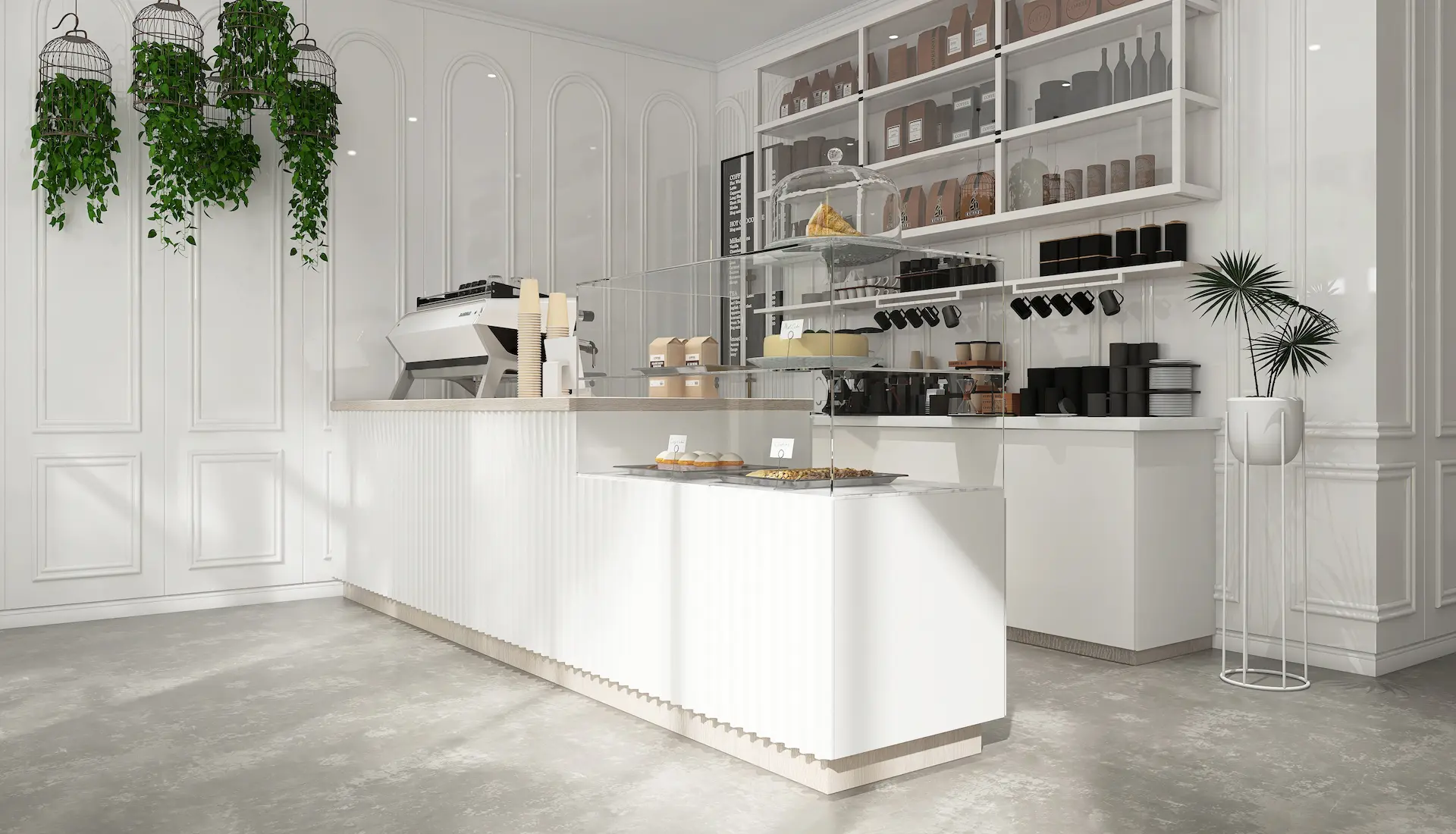
Restaurant / Café Renovation
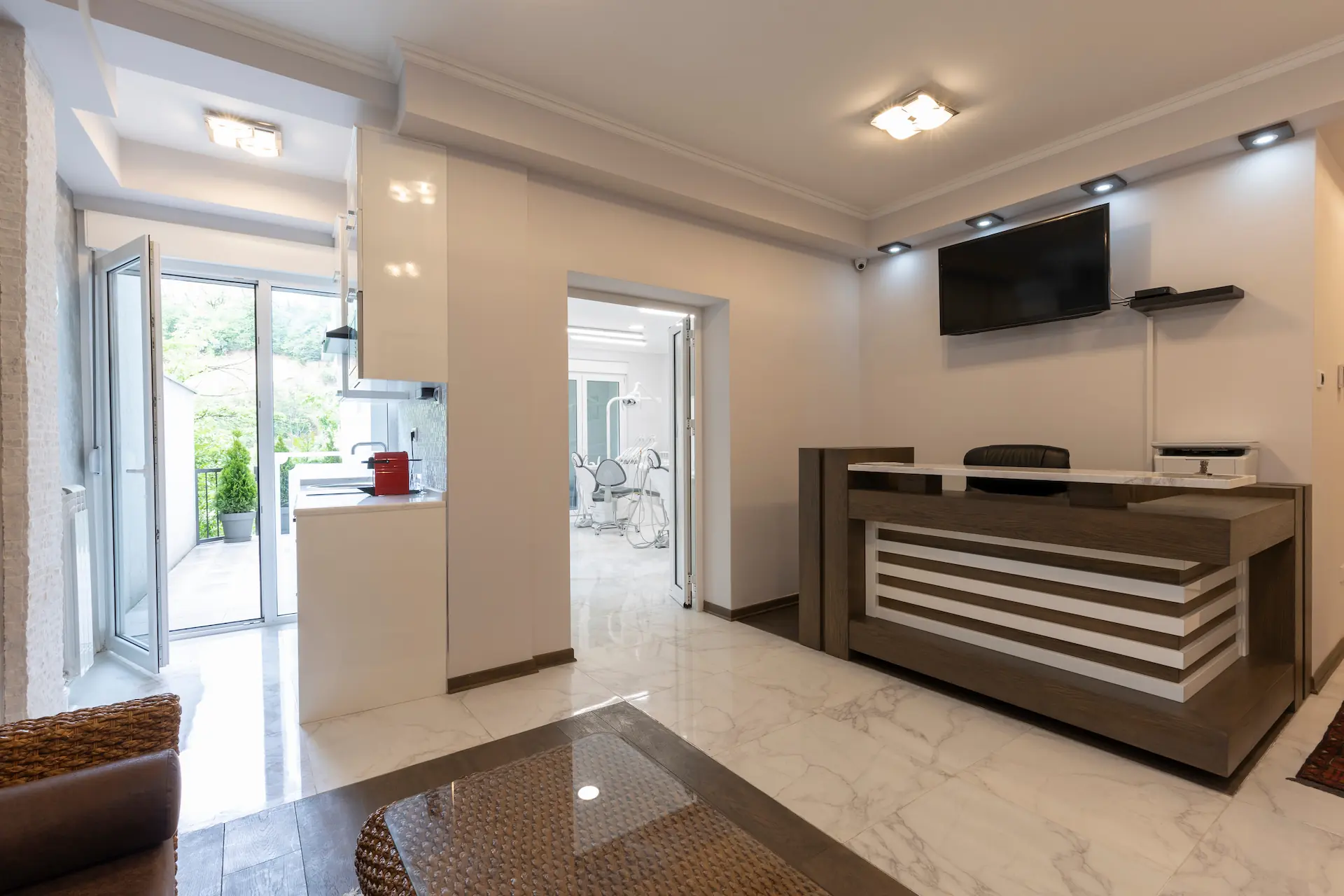
Medical / Clinic Renovation
Hotel / Hospitality Renovation
Specialized Now. Scaling Soon.
Full-space renovations for offices, retail, restaurants, medical facilities, and multi-unit properties. From layout reconfiguration to finishes, we renovate commercial spaces that are ready for business.
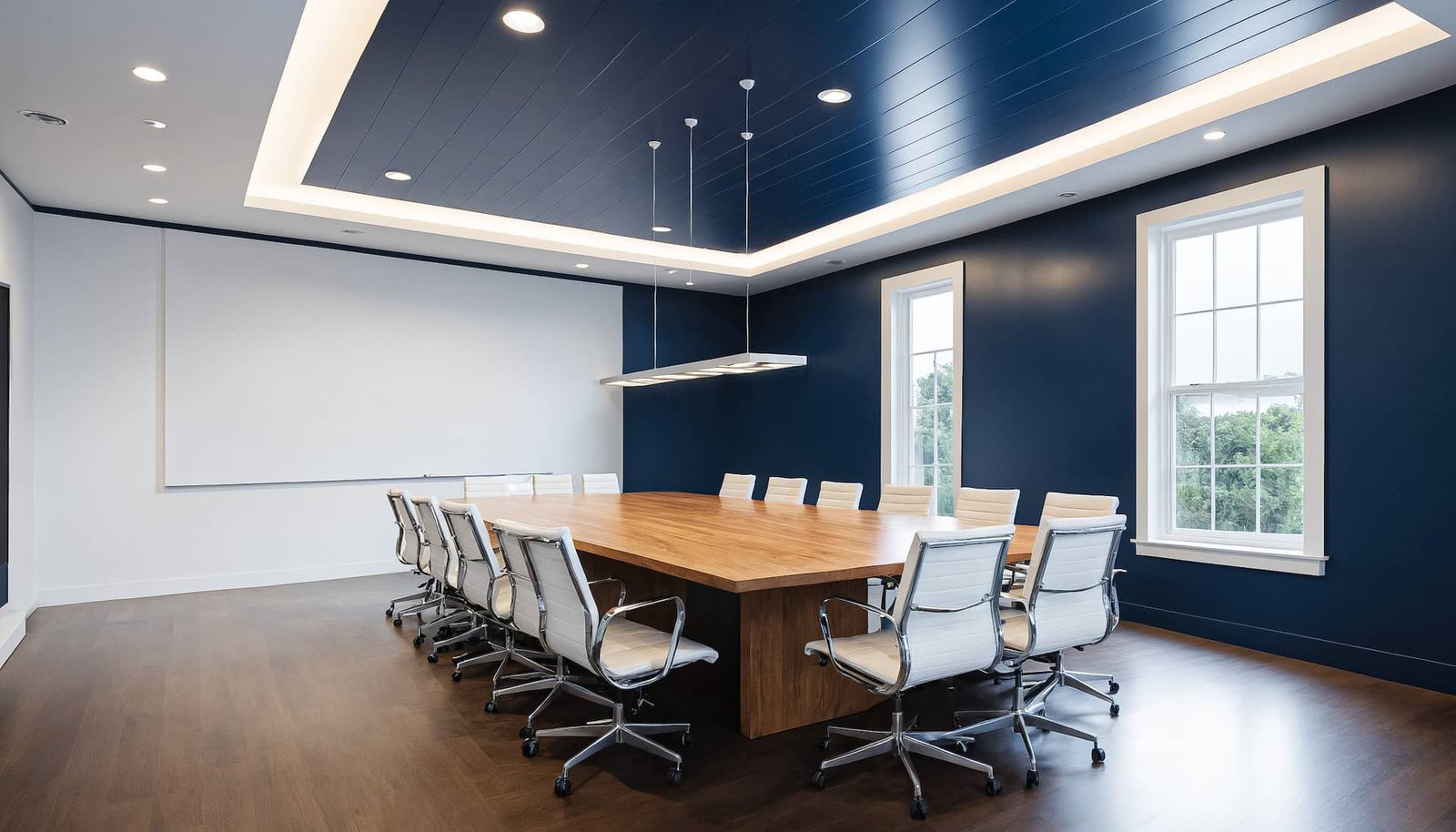
Office renovations that improve workflow, appearance, and functionality. From private offices to open floor plans, conference rooms to reception areas.
Full-unit renovations for landlords and property managers. Kitchen, bath, flooring, paint, and finishes — scoped for fast turnovers and consistent quality across your portfolio.
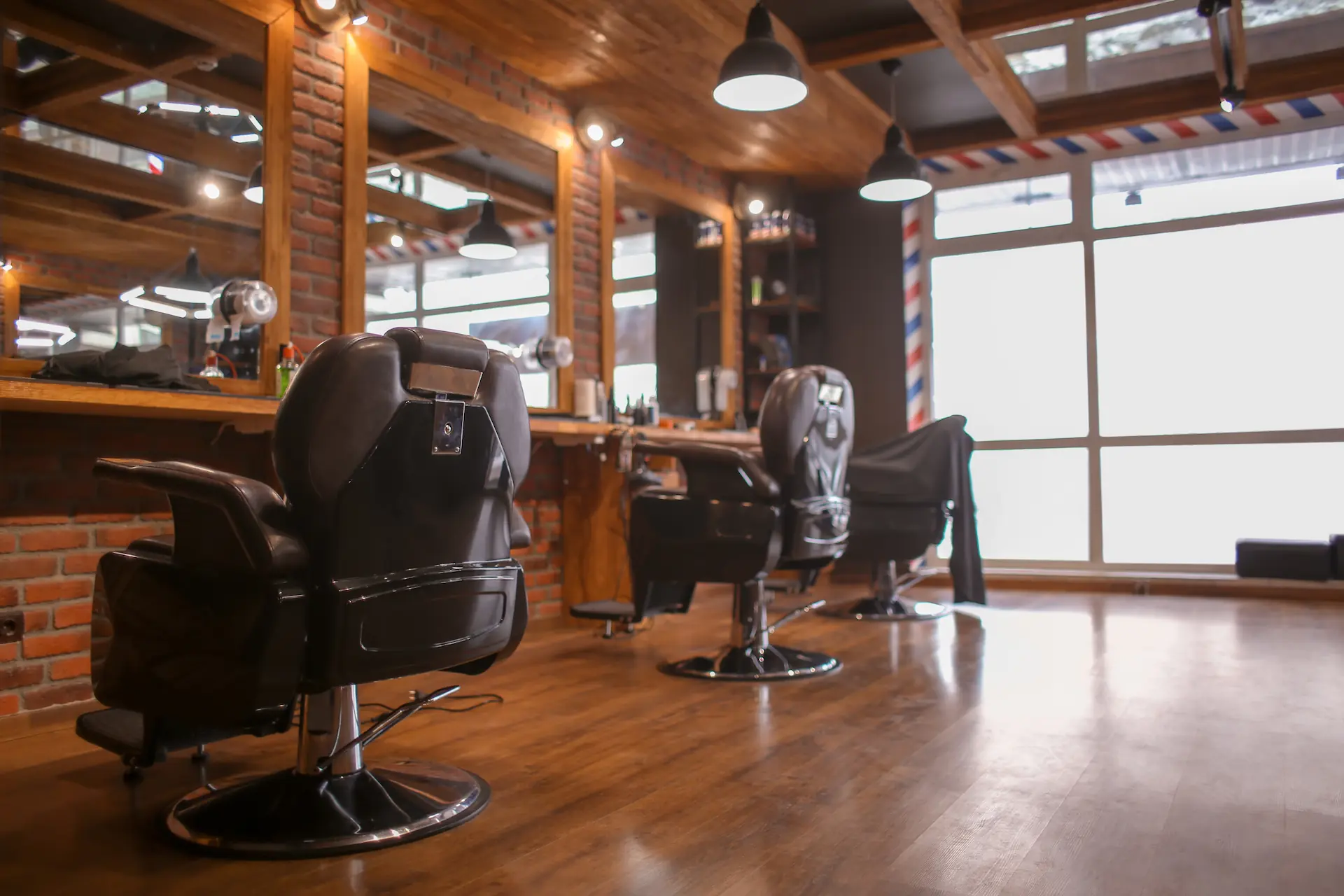
Storefront renovations for retail, service businesses, and customer-facing spaces. First impressions start at the door — we make sure the inside matches.
Full restaurant renovations beyond just the kitchen — dining rooms, service areas, bars, and front-of-house finishes. Built to create the right atmosphere while meeting code.
Renovation work for medical offices, dental practices, and outpatient clinics. Clean layouts, durable finishes, and coordination around compliance requirements.
Guest room, lobby, and common area renovations for hotels and hospitality properties. Consistent finishes across multiple rooms with minimal disruption to operations.
We’re focused on what we do best — commercial interior renovations for offices, retail, restaurants, and multi-unit properties. Ground-up build-outs and large-scale institutional projects are on our roadmap as we grow.
Renovations Scope:
Scope:
Scope:
Scope:
Scope:
Scope:
Scope:
- Space planning, layout reconfiguration & code alignment
- Drywall, framing & interior finishing work
- Flooring, trim, paint & surface finishes
- Plumbing, electrical & mechanical coordination
- Phased demolition, occupant protection & turnover-ready close-out
- Space planning, layout changes & room reconfiguration
- Drywall, framing & interior partition work
- Flooring, paint, trim & clean finish detailing
- Lighting, electrical & data coordination
- After-hours scheduling, protection & move-in-ready close-out
- Multi-unit scheduling, phased timelines & tenant coordination
- Kitchen, bathroom & living space renovation in one scope
- Flooring, paint, trim & durable surface finishes throughout
- Fixture, hardware & appliance replacements
- Unit-ready punch list, cleaning & vacancy-ready close-out
- Layout planning, customer flow & display area optimization
- Drywall, framing & interior build-out work
- Flooring, paint, accent walls & brand-aligned finishes
- Lighting, signage coordination & fixture planning
- Demolition, protection & business-ready close-out
- Dining room layout, seating flow & atmosphere planning
- Drywall, framing, booths & interior build-out work
- Flooring, accent walls, lighting & finish detailing
- Bar builds, service counters & millwork coordination
- Clean, code-aligned close-out & opening-ready handoff
- Exam room, waiting area & reception layout planning
- Drywall, framing & interior partition work
- Easy-clean flooring, surfaces & moisture-resistant finishes
- Lighting, plumbing & medical equipment coordination
- Clean, code-aligned close-out & ready-for-use turnover
- Multi-room scheduling, phased timelines & disruption-conscious planning
- Guest room, bathroom & corridor renovation in one scope
- Flooring, paint, trim & durable finish work throughout
- Furniture, fixture & equipment coordination when needed
- Room-ready punch list, cleaning & turnover-ready close-out




Interior Partitions & Framing
Interior partitions shape how a commercial space functions—offices, exam rooms, conference rooms, storage, and reception areas. We frame clean, straight walls and coordinate details so drywall, doors, glass, and finishes install smoothly.
What We Include
- Interior wall layout and framing for remodels and reconfigurations
- Door openings, backing, and blocking for fixtures and millwork
- Coordination around electrical/data locations and existing conditions
- Straight, plumb framing that sets up clean drywall and trim
- Protection and cleanup for work in active/occupied spaces (when applicable)
Options
- Wood stud vs. metal stud framing based on project requirements
- Full-height partitions vs. partial-height/soffit-height walls
- Sound-reducing insulation options for offices and meeting rooms
- Abuse-resistant drywall options for high-traffic areas
- Framing details for glass fronts, sidelites, and specialty doors
Quality Checklist
- Walls are straight, plumb, and properly anchored
- Openings are sized correctly for doors and finishes
- Blocking/backing is installed where needed (millwork, accessories, wall-mounts)
- Framing is coordinated to avoid conflicts with existing conditions
Drywall & Commercial Finishes
Commercial drywall covers large areas where inconsistencies show. We hang, tape, and finish to commercial standards—smooth walls, clean corners, and surfaces that look right under strong lighting and daily use.
What We Include
- Drywall installation for remodels and commercial interiors
- Taping and finishing to the specified level (Level 4/5 as needed)
- Corner bead and edge finishing
- Dust control and cleanup in occupied spaces (when applicable)
- Primer-ready surfaces for paint or wall covering
Options
- Standard vs. moisture-resistant vs. Type X board (when specified)
- Level 3 vs. Level 4 vs. Level 5 finish
- Square edge vs. bullnose corner treatments
- Abuse-resistant drywall for high-traffic areas
- Mold-resistant board options for humid environments
Quality Checklist
- Finish level matches the intended use and lighting
- No visible seams, nail pops, or surface defects
- Corners are straight and consistent
- Surface is ready for paint or wall covering
Doors, Frames & Hardware
Commercial doors get used hard—every day, all day. We install and tune doors and hardware for smooth operation, durability, and a professional finish that fits the space.
What We Include
- Door and frame installation (new or replacement)
- Hardware installation, adjustment, and final tuning
- Closers, sweeps, thresholds, and latch alignment
- Coordination for specialty items when specified (operators, key systems, access control)
- Punch-list fixes: rubbing doors, uneven reveals, hardware issues
Options
- Hollow metal vs. aluminum vs. wood frames
- Solid core interior doors vs. specialty door types as required
- Lever handles, push/pull sets, closers, kick plates, and protection plates
- Manual vs. automatic operators (when specified)
- Privacy and security hardware options matched to the use (office/clinic/back-of-house)
Quality Checklist
- Doors swing smoothly and latch consistently
- Reveals/gaps are even and look clean
- Hardware is secure, aligned, and operates correctly
- Closers are adjusted for proper speed and latching
Suspended Ceiling Systems
Suspended ceilings keep spaces clean and serviceable—hiding systems above while improving acoustics and allowing access for maintenance. We install grid and tile systems that align properly and look consistent across large areas.
What We Include
- Grid layout planning for balanced appearance
- Proper suspension and support per manufacturer and project requirements
- Coordination with lighting, HVAC, and other ceiling devices
- Tile installation with proper fit and alignment
- Access panel placement for maintenance
Options
- Standard 2x4 vs. 2x2 grid patterns
- Standard tiles vs. washable/humidity-resistant panels
- Standard vs. high-NRC acoustic performance
- Tegular vs. lay-in tile profiles
- Specialty ceiling panels (when desired)
Quality Checklist
- Grid is level and properly aligned
- Tiles fit cleanly with no gaps or damage
- Lighting and diffusers are aligned in the grid
- Access panels are positioned for maintenance needs
Glass Partitions & Office Fronts
Interior glass partitions create division without closing off space—conference rooms that feel open, clinics with better visibility, and offices that keep natural light moving through the suite. We install glass systems that define boundaries while keeping a modern, clean look.
What We Include
- Interior glass partition planning and installation
- Hardware selection for doors and operable panels
- Coordination with flooring and ceiling details for clean transitions
- Privacy film or frosting coordination when needed
- Final alignment, adjustment, and cleanup
Options
- Framed vs. frameless interior glass systems
- Sliding vs. swing vs. pivot glass doors
- Clear vs. frosted glass for privacy
- Full-height vs. partial-height partitions
- Black aluminum vs. minimal frame finishes
Quality Checklist
- Glass is set securely, straight, and plumb
- Doors operate smoothly without sticking
- Hardware aligns and functions correctly
- Transitions at floor/ceiling look clean and intentional
Reception Desks & Built-Ins
Reception desks and built-in millwork define how a space functions and feels—the first thing clients see when they walk in, the storage that keeps operations running, and the displays that showcase products. We install custom pieces that look intentional and hold up to daily use.
What We Include
- Millwork installation per shop drawings (when provided)
- Proper anchoring and structural support
- Integration with electrical and data (coordinated as needed)
- Coordination with countertops and hardware
- Touch-up and final finish work
Options
- Laminate vs. wood veneer vs. solid surface finishes
- Reception desks vs. service counters vs. display cases
- Modular systems vs. fully custom fabrication
- Transaction-height options (including ADA-height when specified)
- Integrated lighting and power (when included)
Quality Checklist
- Millwork is level, plumb, and securely anchored
- Joints are tight with consistent reveals
- Finishes are consistent and damage-free
- Functional elements operate as intended
Feature Walls & Branding
Feature walls in commercial spaces communicate brand, quality, and attention to detail. We build statement walls for lobbies, reception areas, and customer-facing spaces—materials and finishes that make an impression and reinforce brand identity.
What We Include
- Substrate preparation for feature materials
- Installation of accent materials and finishes
- Integration with lighting for visual impact
- Coordination with signage and branding elements (when provided)
- Clean edge details and transitions
Options
- Wood slat vs. metal panel vs. stone veneer
- Backlit panels vs. accent lighting
- Dimensional lettering vs. applied graphics (owner/brand provided)
- Full wall coverage vs. accent sections
- Brand colors vs. material-driven design
Quality Checklist
- Materials are installed securely and consistently
- Pattern and alignment are balanced and intentional
- Lighting enhances rather than exposes imperfections
- Feature elements are positioned correctly
Wall Protection & Corner Guards
In commercial spaces, walls take abuse—carts, chairs, equipment, and daily traffic. We install wall protection systems that keep corridors, waiting rooms, and back-of-house areas looking clean and professional.
What We Include
- Corner guards, wall guards, and chair rail installation
- Wall protection panel installation (as specified)
- Layout and consistent heights for a clean look
- Durable fastening/adhesive methods matched to wall conditions
- Clean terminations at doors, frames, and transitions
Options
- PVC/vinyl wall guards vs. decorative wall protection panels
- Corner guards: adhesive vs. mechanically fastened
- Colors/finishes to match branding or keep a neutral look
- Full-height protection vs. targeted protection zones
- FRP panels for service areas (when appropriate)
Quality Checklist
- Lines are straight and consistent across long runs
- Edges and joints are tight with clean terminations
- Protection is securely fastened with no loose sections
- Install looks intentional, not patched-in
Lighting Upgrades
Lighting upgrades improve the look of a space and the way people work in it. We coordinate fixture updates with ceilings and finishes, and we work with licensed electricians when required.
What We Include
- Fixture replacements and LED upgrades
- Coordination with ceiling grid and ceiling conditions
- Layout adjustments for better coverage in work and customer areas
- Switching and control updates (dimmers/occupancy sensors) when included
- Emergency/exit fixture coordination when part of the project scope
Options
- LED panels/troffers vs. linear fixtures vs. decorative accents
- 4000K/3500K/3000K color temperature selection
- Occupancy sensors vs. manual switching
- Task lighting for reception and exam/work areas
- Phased upgrades to keep parts of the space operational
Quality Checklist
- Fixtures are level, aligned, and consistent
- Light output is even across the space
- Controls function as intended
- Finish work around fixtures is clean and complete
Paint & Wall Coverings
Commercial finishes need to look good at opening day and still look good years later. We apply paint and wall coverings selected for durability, cleanability, and the demands of commercial use—not just color.
What We Include
- Surface preparation for proper adhesion
- Product selection based on durability requirements
- Application per manufacturer specifications
- Protection of adjacent surfaces and fixtures
- Touch-up and final inspection
Options
- Standard vs. scrubbable vs. anti-microbial paints
- Flat vs. eggshell vs. semi-gloss sheens
- Vinyl wall covering vs. paint for high-traffic
- Low-VOC and zero-VOC options
- Accent walls vs. full-space color schemes
Quality Checklist
- Coverage is even with no streaks or holidays
- Cut lines are sharp and consistent
- Surfaces are properly prepared before finish application
- Wall covering seams are tight and pattern-matched
Millwork & Finish Carpentry
Finish carpentry is where craftsmanship shows—clean lines, tight reveals, and durable details. From door and opening trim to architectural wall treatments and built-in elements, we deliver finished work that makes commercial spaces feel intentional and complete.
What We Include
- Architectural trim and finish detailing at doors, windows, and openings
- Wall paneling, wainscoting, and accent trim details (as specified)
- Column wraps, soffit finish-outs, and clean edge/return details
- Built-in elements and trim-out (shelving, cabinets, niche/details) when included
- Caulking, patching, and paint-ready finish touchups
Options
- Paint-grade vs. stained/veneered millwork finishes
- Solid wood vs. MDF vs. PVC (based on durability and moisture exposure)
- Clean modern profiles vs. more traditional trim details
- Wall treatment styles: flat panel, wainscot, fluted/ribbed, slat systems
- Integrated details like sills, ledges, reveals, and access-panel trim-outs
Quality Checklist
- Reveals are consistent; lines are straight and aligned
- Corners and returns are tight with clean terminations
- Fasteners are filled/hidden and finish-ready
- Surfaces are smooth and ready for final paint/stain/finish
Sound Control
Commercial spaces can get loud—open offices, clinics, waiting areas, and conference rooms all benefit from better sound control. We install acoustic upgrades that reduce echo and improve privacy and comfort.
What We Include
- Recommendations for acoustic treatment by space type
- Installation of wall-mounted acoustic panels
- Ceiling sound-absorbing options (tiles/clouds/baffles) when applicable
- Sealing and detail work to reduce sound leaks at key areas
- Coordination with partitions and ceilings for clean integration
Options
- Fabric-wrapped panels vs. PET felt panels
- Ceiling clouds/baffles vs. acoustic ceiling tile upgrades
- Privacy-focused treatment for offices and exam rooms
- Door sweeps/seals for better room-to-room separation (when needed)
- Decorative acoustic finishes that match the design
Quality Checklist
- Panels are level, aligned, and securely mounted
- Edges, corners, and seams look clean
- Coverage matches the plan for the space
- Install is tidy with minimal disruption to the work area
Our Process
Our
Process
Start with your vision
It begins with understanding your space, goals, and lifestyle. Book your free consultation online, and we’ll meet in person to walk through your needs. Whether it’s tilework, a kitchen remodel, or a full transformation, we start by listening—then offer insight tailored to your home.
Define the Details
After the consultation, we help shape the design—layout, materials, finishes, and budget. You’ll get clear guidance on options, realistic timelines, and a customized plan that balances style and function. Everything is built around what matters most to you.
Lock It In
Once the plan is approved, we schedule your project and handle all prep behind the scenes—from ordering materials to permits. You'll know exactly what to expect and when. We coordinate every step to keep your project moving without delays or surprises.
Crafted with Care
Our experienced team brings the plan to life with precision and respect for your home. We stay clean, communicative, and focused on quality. We treat each space like it’s our own — because it matters.
Final Touches
We walk through the finished space together to ensure every detail meets your expectations. You'll receive care tips, warranty info, and access to your project records. And if you ever need us, we’re just a message away.